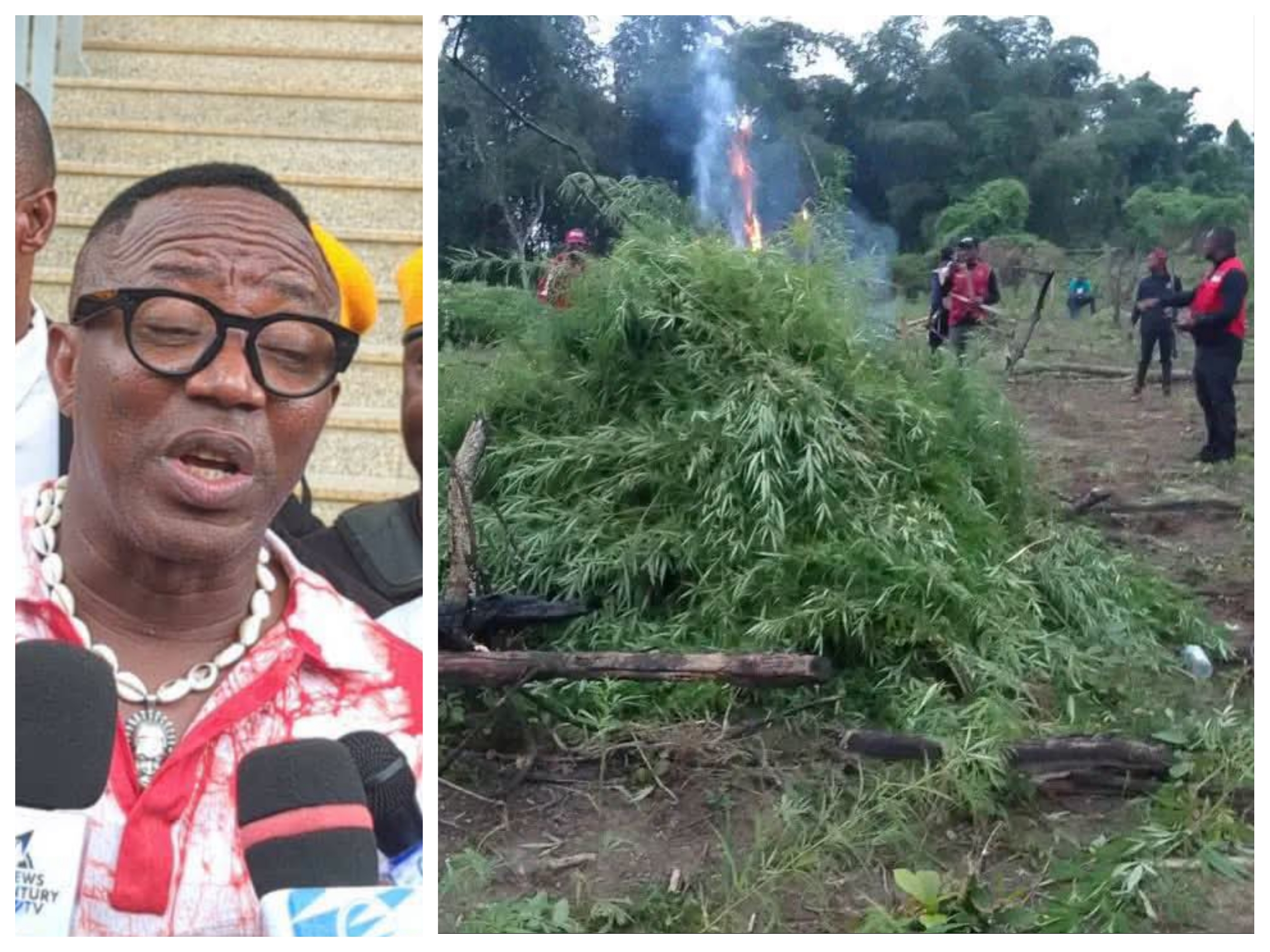
Human rights activist and African Action Congress (AAC) presidential candidate, Omoyele Sowore, has criticised the National Drug Law Enforcement Agency (NDLEA) over the destruction of cannabis farms, arguing that Nigeria could be sacrificing significant economic opportunities by relying solely on eradication.

Sowore made the remarks in a post on his Facebook page early Tuesday, following reports of cannabis farm destruction in Edo State. He accused the anti-narcotics agency of destroying what he described as economically valuable crops at a time when the country is battling widespread poverty.
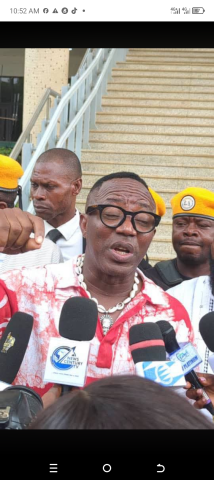
“It is idiotic NDLEA to wake up, put on uniforms, march into farms, and set economically viable crops worth millions of dollars ablaze while your country is drowning in multidimensional poverty,” Sowore wrote.
He called on the NDLEA and the Federal Government to halt the destruction of cannabis farms and reconsider Nigeria’s longstanding prohibitionist approach to the plant.
“Stop destroying cannabis farms. Stop wasting enormous economic opportunities in the name of a failed and outdated policy,” he added.
See full post below;

Sowore advocated the legalisation and strict regulation of cannabis for legitimate medicinal and industrial purposes, arguing that Nigeria could develop a regulated industry capable of supporting research, creating employment and generating government revenue.
“Legalize and properly regulate cannabis. Invest in research, harness its legitimate medicinal and industrial potential, create jobs, generate revenue, and build an industry Nigerians can benefit from,” he said.
The comments come amid continued enforcement operations against illicit cannabis cultivation across the country. The NDLEA maintains that its mandate is to eradicate illicit drug trafficking and reduce the supply and demand for controlled substances. The agency says its approach is also increasingly incorporating alternative development programmes aimed at providing farmers involved in illicit cannabis cultivation with lawful economic opportunities.
In February 2026, NDLEA Chairman and Chief Executive Officer, Brig. Gen. Mohamed Buba Marwa (rtd.), disclosed that field assessments in high-risk areas of the South-West indicated that nearly 8,900 hectares of land were under illicit cannabis cultivation. He said the agency’s alternative-development initiative was designed to address the economic circumstances that drive farmers into cannabis production by promoting sustainable agriculture and value-chain opportunities.
The agency’s position reflects the public-health and security concerns surrounding cannabis use and illicit cultivation. According to figures cited by Marwa from Nigeria’s 2018 National Drug Use Survey, about 14.4 per cent of Nigerians aged 15–64 reported using at least one psychoactive substance in the preceding year, while an estimated 10.6 million adults reported cannabis use.
However, the debate over whether Nigeria should move from outright prohibition towards a tightly controlled medicinal and industrial cannabis framework has continued to gain attention.
Reports in May 2026 indicated that lawmakers were considering legislation aimed at creating a regulated framework for cannabis cultivation and utilisation for medicinal, industrial and economic purposes, rather than permitting unrestricted recreational use. Such a framework could potentially provide for licensing, controlled cultivation, research, pharmaceutical applications and industrial processing.
The issue is not entirely new. Previous legislative proposals have also sought to establish registration and licensing systems for cannabis growers and processors for medicinal and research purposes, highlighting the longstanding policy debate over whether the plant should be managed exclusively as an illicit drug or partly as a regulated agricultural and industrial commodity.
For Sowore, the continued destruction of cannabis farms represents a missed opportunity for an economy searching for new sources of employment, investment and public revenue.
“ You cannot burn your way out of poverty, foolish people!” he concluded.
His intervention is likely to further intensify the national conversation over cannabis policy, placing two competing priorities at the centre of the debate: the government’s responsibility to combat illicit drug production and its potential responsibility to explore regulated economic and medical uses of cannabis.
As the discussion continues, any move towards legalisation would require a comprehensive regulatory framework addressing cultivation licences, quality control, taxation, research, public health, diversion into illicit markets and strict restrictions on recreational use.
Before establishing his independent media outfit, Isaac built a solid reputation as a prolific digital content creator and sports writer. He previously served as a verified contributing author for prominent news aggregators and sports publications, including **Opera News**, **Scooper News**, and **Futball Naija**. Through these platforms, he honed his expertise in analyzing sports trends, breaking football news, and engaging millions of digital readers across Nigeria.
Combining his editorial background with technical expertise, Isaac is also an accomplished website builder, designing and managing digital infrastructures that optimize user experience and content delivery.
Known widely and highly influential across social media platforms—particularly on Facebook under his brand name **Isaac Zaza**—he leverages his vibrant online presence to connect fans with the latest happening in the sporting world. As a media professional, Isaac continues to drive innovation at the intersection of sports journalism and digital technology.
- African Legend Stephen Appiah Joins Adebayor, Wanyama and Amokachi in 22Bet’s African Football Network. - September 1, 2026
- Setting the Record Straight: NBBF Clears the Air on Tenure Elongation, Reaffirms Commitment to a Democratic Transition - September 1, 2026
- HFN President Felicitates Ardova Chairman Sowami on Birthday - August 31, 2026