
By Isaac Sanyaolu
The July 21, 2025 communique issued by the Osun State PDP Leadership Caucus may appear like a routine political declaration, but beneath the surface lies a subtle, strategic recalibration of political alliances that speaks volumes about the evolving dynamics in Osun State — and indeed, Nigerian politics at large.
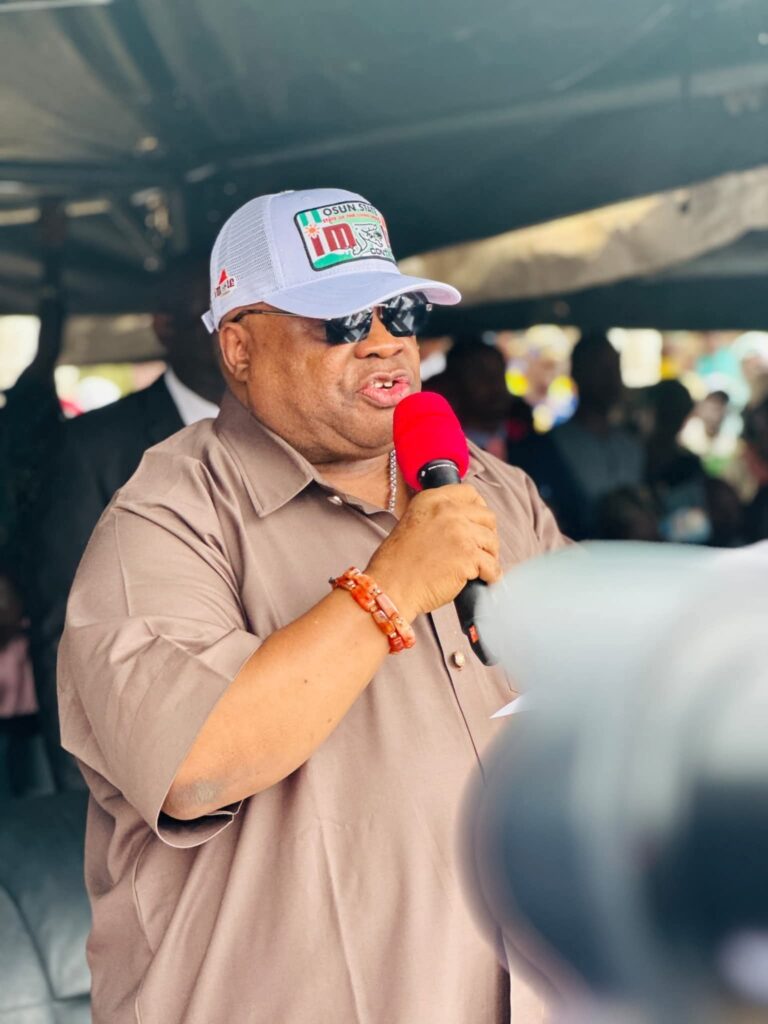
Governor Ademola Adeleke’s rumored defection to the APC had been the subject of heated speculation in recent months, and the reactions were predictably polarizing. With the release of this communique, however, the PDP in Osun State seems to have taken a bold but complex position: staying firmly within its political home, while stretching out an olive branch — or perhaps, paying a strategic homage — to the APC-led federal government under President Bola Ahmed Tinubu.
The Paradox of Endorsement
At the heart of this statement is the unprecedented move by the Osun PDP to endorse President Tinubu — a political figure from the opposing party — for re-election in 2027. This is no ordinary endorsement. It’s a masterstroke of political calculation: appeasing the centre, ensuring federal goodwill, and protecting state-level interests, all without abandoning the party’s base.
The endorsement, cloaked in cultural sentiment (“Osun is the ancestral home of President Tinubu”), is both symbolic and strategic. It cleverly invokes regional identity to justify a politically awkward gesture. But make no mistake — this is less about ancestry and more about political preservation. With federal power often determining the flow of infrastructure, funding, and influence, Osun PDP’s move is an attempt to avoid being left out in the cold.
Governor Adeleke’s Dilemma
For Governor Adeleke, the communique provides a public reaffirmation of his loyalty to the PDP — despite months of silence that gave room to speculations of a defection. The message is clear: Adeleke is staying, but he wants peace with Abuja. His followers, described as reluctantly loyal even if he had chosen to leave, may see this as a relief.
Still, the whole episode highlights a deeper truth: Adeleke is not just a governor — he is a movement. His political identity has become larger than party lines in Osun. Whether in the PDP or hypothetically in the APC, his people follow him. That kind of grassroots loyalty is rare, and both parties know it.
The Tensions Within
Yet, the communique also exposes fractures. Paragraphs B and C confirm that neither the APC nor the PDP grassroots truly welcomed the defection rumors. APC members allegedly reacted with “hostility and resentment,” while PDP members were “not happy” but ready to follow Adeleke out of sheer loyalty.
This is both a warning and a testament. For the APC, it shows that forced political marriages won’t be easily accepted. For the PDP, it reveals a party that must re-earn its credibility and unity through action, not just words.
The Future: Loyalty vs. Pragmatism
In politics, loyalty is currency, but pragmatism often decides the game. The PDP in Osun State is choosing to remain loyal to its roots while hedging its bets in favor of future federal cooperation. Whether this strategy will pay off in 2027 remains to be seen.
One thing is certain: Osun politics is not just about parties anymore. It’s about individuals, regional pride, survival, and navigating the complex dance between grassroots support and federal relevance. The PDP caucus may have just performed a delicate balancing act — but how long they can hold that balance is the real question.
Isaac Sanyaolu is a political analyst and media writer based in Osun State. He writes about regional politics, governance, public affairs and sports.
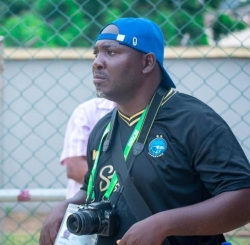
Before establishing his independent media outfit, Isaac built a solid reputation as a prolific digital content creator and sports writer. He previously served as a verified contributing author for prominent news aggregators and sports publications, including **Opera News**, **Scooper News**, and **Futball Naija**. Through these platforms, he honed his expertise in analyzing sports trends, breaking football news, and engaging millions of digital readers across Nigeria.
Combining his editorial background with technical expertise, Isaac is also an accomplished website builder, designing and managing digital infrastructures that optimize user experience and content delivery.
Known widely and highly influential across social media platforms—particularly on Facebook under his brand name **Isaac Zaza**—he leverages his vibrant online presence to connect fans with the latest happening in the sporting world. As a media professional, Isaac continues to drive innovation at the intersection of sports journalism and digital technology.
- Abuja Horror: How Chinedu Aniekuoku Allegedly Locked His Sister Grace Aniekuoku in Chains for Four Years Over Family Business Dispute - June 16, 2026
- A masterclass in Excellence — NBBF President Musa Kida Hails Mike Brown’s pedigree after Ending Knicks Historic championship Drought - June 15, 2026
- Edo Queens Clinch Second NWFL Premiership Title - June 15, 2026