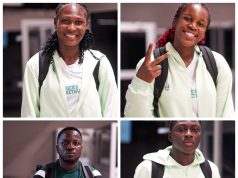
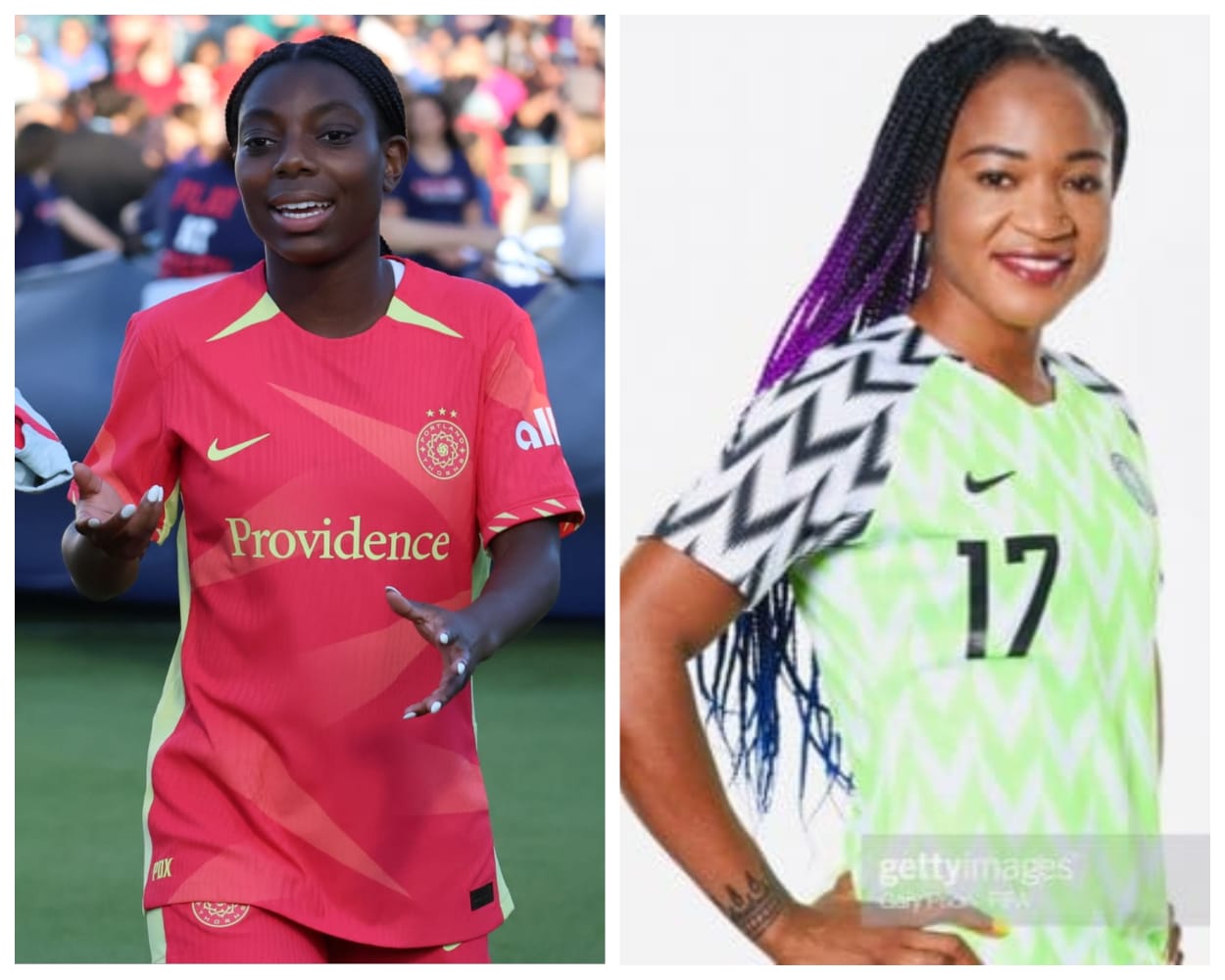
The release of the Super Falcons’ final 25-player squad for the 2026 Women’s Africa Cup of Nations (WAFCON) in Morocco has generated widespread debate, with the omission of defender Nicole Payne emerging as one of the most controversial decisions by Head Coach Justine Madugu.

As Nigeria prepares to begin its campaign for a record-extending 11th WAFCON title, many football followers have questioned whether current form and fitness were the primary considerations in the selection process.
Payne, who has been enjoying regular game time with Orlando Pride in the National Women’s Soccer League (NWSL), failed to make the final squad despite maintaining consistent performances in one of the world’s most competitive women’s leagues.
Her exclusion has become even more difficult to understand for many observers following the inclusion of several players who are still recovering from injuries.
Midfielder Deborah Abiodun made the squad despite recovering from a hip injury, while defender Michelle Alozie was also included after only recently returning to training. Forward Chiwendu Ihezuo equally secured a place despite not yet reaching full fitness.
Although the trio remain among Nigeria’s most influential players when fully fit, their inclusion has raised questions about why a fully fit and active player like Payne was overlooked.
The decision has also drawn comparisons with Ashleigh Plumptre, who voluntarily withdrew from WAFCON selection after acknowledging that she was not physically ready to perform at her best.
Plumptre’s decision has been widely praised as an act of professionalism, placing the team’s interests above personal ambition.
Her withdrawal has further fuelled debate over whether the same fitness standards were consistently applied across the squad.
Questions surrounding Madugu’s selections extend beyond injured players.
Defender Rofiat Imuran retained her place despite struggling for regular playing time since the arrival of a new coach at her club. Veteran forward Francisca Ordega was also included despite criticism from some supporters over her recent performances with the Super Falcons.
The selections have intensified discussions over whether reputation and loyalty influenced the final squad more than recent form and regular club football.
Another notable feature of the squad is the continued preference for foreign-based professionals.
With Sikiratu Isah now playing professionally in Israel, goalkeeper Fatima Oloko remains the only home-based player selected from the Nigeria Women’s Football League (NWFL), leaving several standout domestic performers overlooked.
Madugu now heads into the tournament carrying enormous expectations.
If the Super Falcons successfully defend their continental title, his selection decisions will likely be celebrated as bold and justified.
However, should Nigeria fall short in Morocco, the omission of an in-form Nicole Payne, alongside the decision to rely on recovering players and those lacking consistent club minutes, is certain to remain one of the tournament’s biggest talking points.
For many Nigerians, the debate is simple: national team selection should reward current form, fitness, consistency and performance. The outcome of WAFCON 2026 may ultimately determine whether Madugu’s controversial choices were inspired decisions, or costly mistakes.
Before establishing his independent media outfit, Isaac built a solid reputation as a prolific digital content creator and sports writer. He previously served as a verified contributing author for prominent news aggregators and sports publications, including **Opera News**, **Scooper News**, and **Futball Naija**. Through these platforms, he honed his expertise in analyzing sports trends, breaking football news, and engaging millions of digital readers across Nigeria.
Combining his editorial background with technical expertise, Isaac is also an accomplished website builder, designing and managing digital infrastructures that optimize user experience and content delivery.
Known widely and highly influential across social media platforms—particularly on Facebook under his brand name **Isaac Zaza**—he leverages his vibrant online presence to connect fans with the latest happening in the sporting world. As a media professional, Isaac continues to drive innovation at the intersection of sports journalism and digital technology.
- Road to Berlin: NBBF Secures Premium World Cup Warm-Ups as D’Tigress Arrive in China - August 5, 2026
- Nigeria U18 Basketball Teams Arrive in Abidjan Ahead of FIBA U18 AfroBasket Championship - August 3, 2026
- From Elite Defender to Tactical Strategist: The Inspiring Football Journey of Coach Salomon Junior, One of Benin Republic’s Finest - August 1, 2026