

By ZazaMedia Health Desk
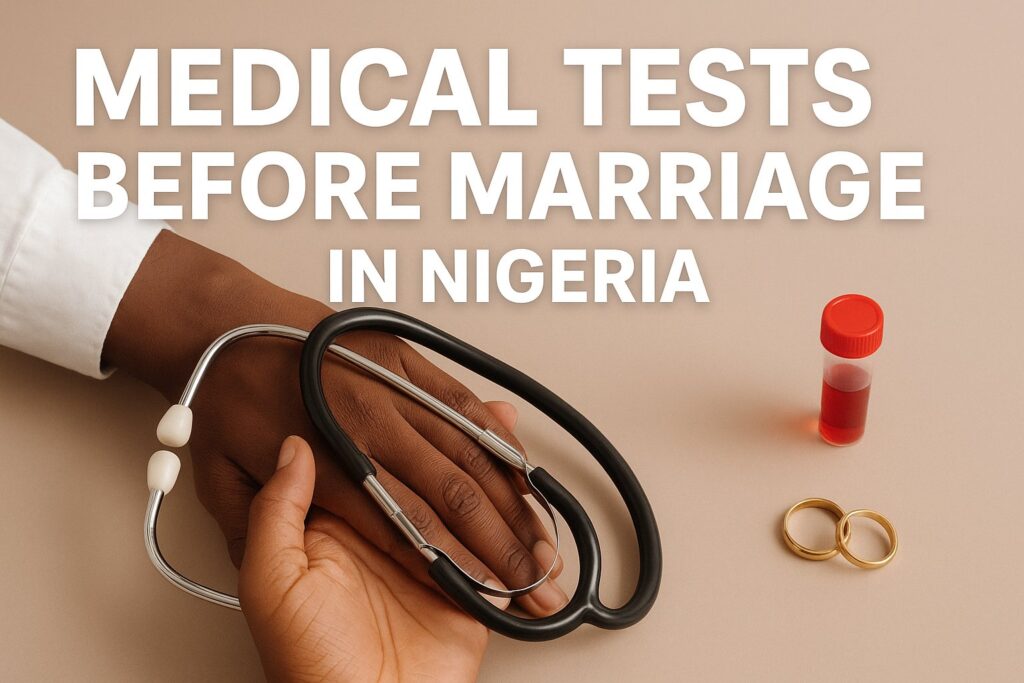
Getting married in Nigeria is more than exchanging vows—it’s a commitment to share life, family, and health. In recent years, many churches, mosques, and health professionals have emphasized the importance of premarital medical tests. These screenings give couples peace of mind, prevent avoidable health problems, and protect future children.
In this article, we’ll look at the most recommended premarital tests in Nigeria, why they matter, and what Nigerians are saying about them.
Why Premarital Tests Are Important
Protecting children from genetic disorders: Knowing your genotype and blood group prevents unexpected complications like sickle cell disease or Rhesus incompatibility.
Managing infectious risks: Early detection of HIV, Hepatitis, and other STIs allows for treatment and reduces risk to your spouse.
Planning for a healthy pregnancy: Screening helps doctors guide couples on safe conception and pregnancy.
Building trust and transparency: Being open about health creates stronger foundations for marriage.
Recommended Medical Tests Before Marriage in Nigeria
Here’s a checklist most Nigerian doctors, clinics, and religious bodies agree on:
1. Medical Tests To Do Before Marriage in Nigeria)
Prevents having children with sickle cell disease. Couples with AS + AS, AS + SS, or SS + SS combinations are at high risk.
2. Blood Group and Rhesus Factor
Important for pregnancy. If a woman is Rh-negative and the man is Rh-positive, medical management is needed to prevent complications.
3. HIV Screening (I & II)
Helps partners know their status, access treatment if needed, and avoid transmission.
4. Hepatitis B & C Tests
These viral infections are common in Nigeria and can be transmitted sexually or from mother to child.
5. Syphilis (VDRL) and Other STI Tests
Detects infections that may cause infertility, miscarriages, or other long-term complications.
6. Complete Blood Count (CBC)
Checks for anemia, blood disorders, and general health status.
7. Urinalysis
Screens for kidney issues, diabetes, or urinary tract infections.
8. Fertility and Reproductive Health Tests
Includes semen analysis for men and hormonal or ovarian reserve tests for women if desired.
9. Pregnancy Test (for women)
Confirms current status and helps couples plan responsibly.
10. Chronic Disease Screening
Tests for conditions like diabetes, high blood pressure, or kidney disease that may affect long-term health.
Popular Opinions in Nigeria
Religious Institutions: Many churches and mosques in Nigeria now make genotype, HIV, and Hepatitis tests compulsory before approving weddings.
Public Acceptance: More Nigerians see premarital tests as necessary, especially to avoid sickle cell disease.
Concerns Raised: Some argue against mandatory testing, citing privacy, stigmatization, and affordability. Still, the overall trend leans towards acceptance.
How to Go About It
Choose a trusted hospital or diagnostic center with confidentiality.
Do the tests early, not just weeks before the wedding, to allow follow-up or treatment if needed.
Go together as a couple to avoid misunderstandings.
Seek medical counseling if results show incompatibility or health concerns.
Final Word
Premarital medical tests are not just formalities—they are acts of love and responsibility. By knowing your health status and planning ahead, you protect your partner, your children, and your marriage.
As Nigerians say: “Prevention is better than cure.” Before you say “I do”, make sure you and your partner have ticked off these health checks.

Before establishing his independent media outfit, Isaac built a solid reputation as a prolific digital content creator and sports writer. He previously served as a verified contributing author for prominent news aggregators and sports publications, including **Opera News**, **Scooper News**, and **Futball Naija**. Through these platforms, he honed his expertise in analyzing sports trends, breaking football news, and engaging millions of digital readers across Nigeria.
Combining his editorial background with technical expertise, Isaac is also an accomplished website builder, designing and managing digital infrastructures that optimize user experience and content delivery.
Known widely and highly influential across social media platforms—particularly on Facebook under his brand name **Isaac Zaza**—he leverages his vibrant online presence to connect fans with the latest happening in the sporting world. As a media professional, Isaac continues to drive innovation at the intersection of sports journalism and digital technology.
- FIBA U18 AfroBasket: Junior D’Tigress Secure Winning Start as Junior D’Tigers Stumble Against Egypt - August 6, 2026
- Road to Berlin: NBBF Secures Premium World Cup Warm-Ups as D’Tigress Arrive in China - August 5, 2026
- Nigeria U18 Basketball Teams Arrive in Abidjan Ahead of FIBA U18 AfroBasket Championship - August 3, 2026